
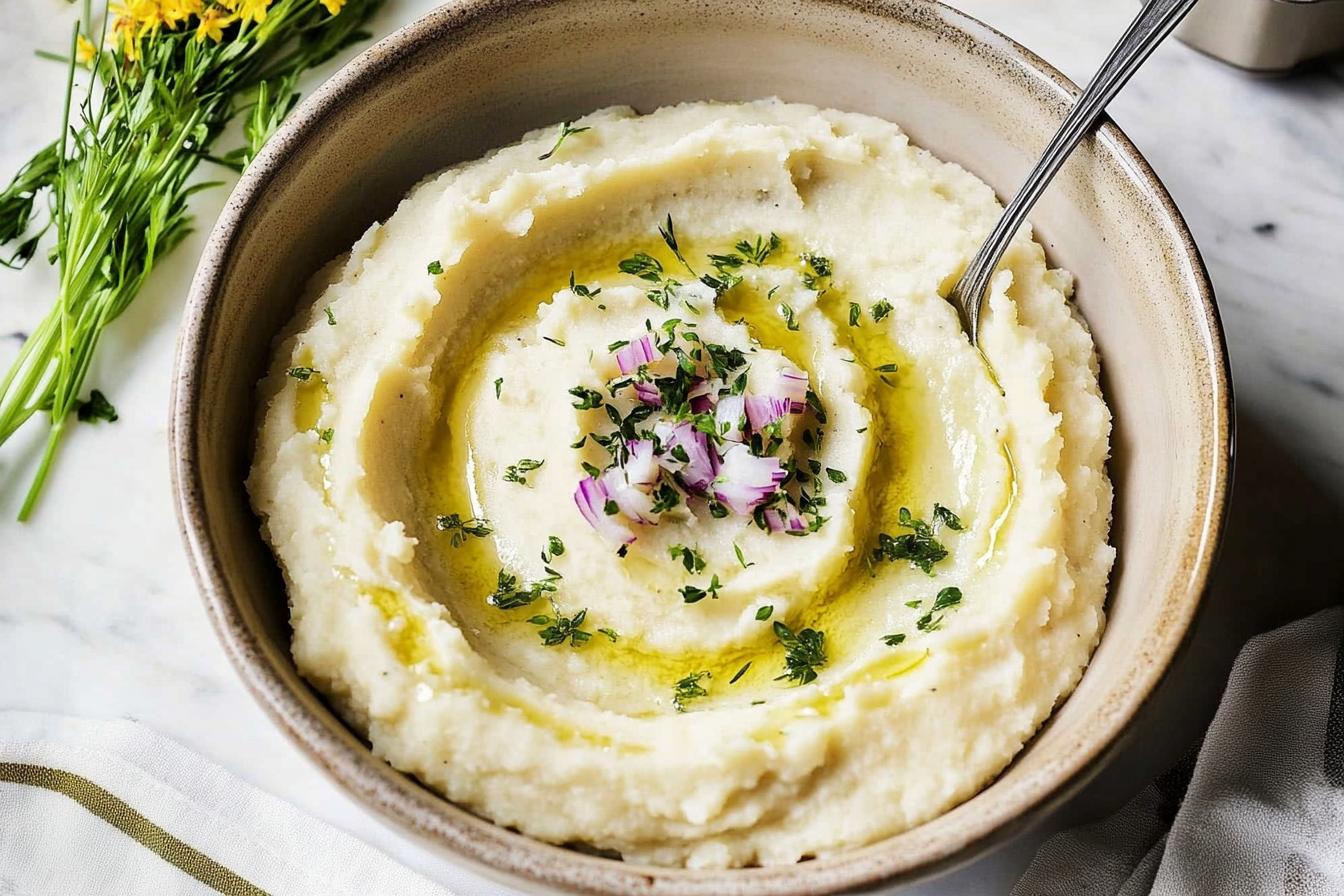
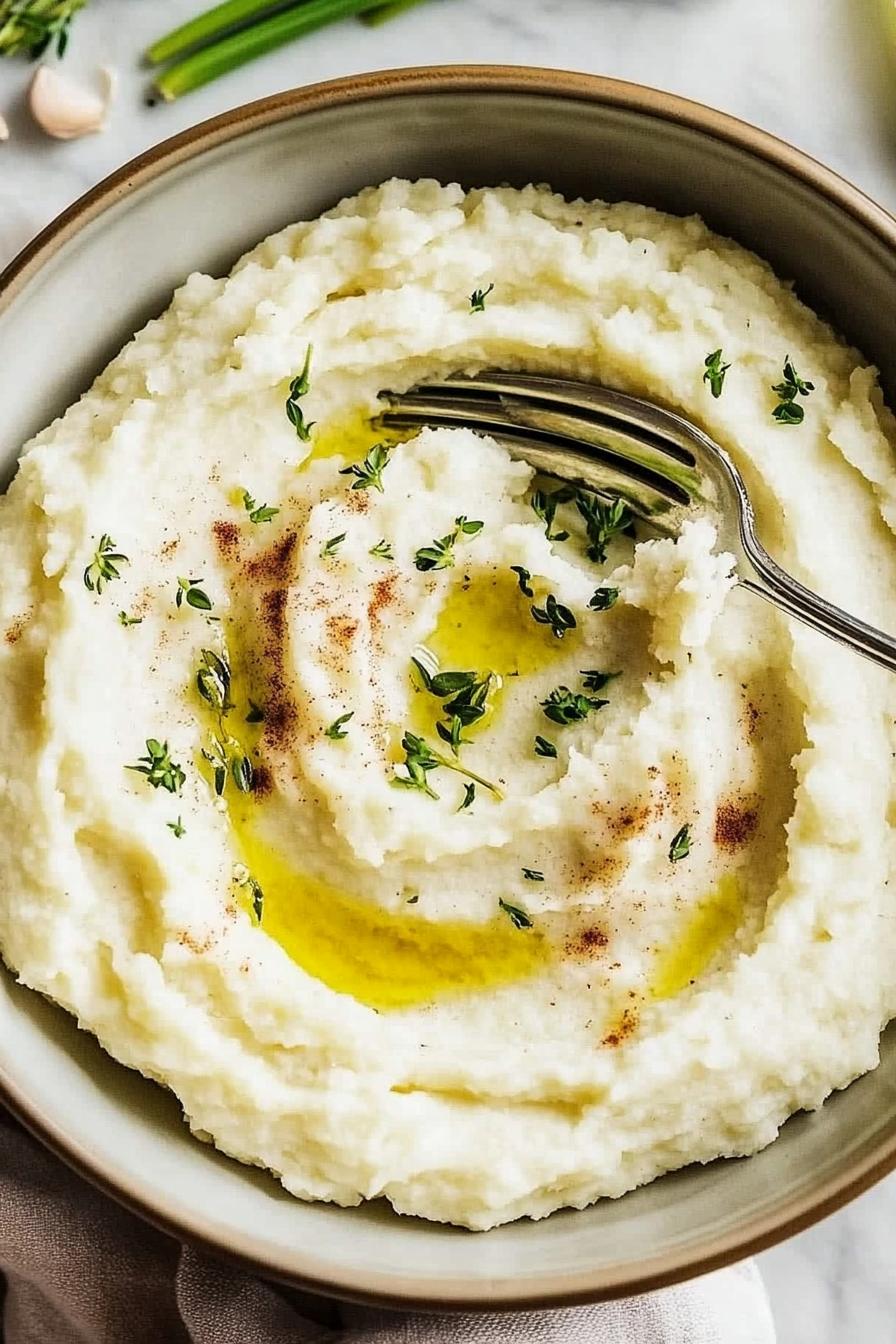
There’s something soothing about the steam rising from a pot of fluffy Cauliflower Mashed Potatoes. After three rounds of testing—where I learned that letting the florets sit in the colander for an extra minute yields a silkier mash—I now reach for this lighter mash at least once a week. With just 10 minutes of prep and 15 minutes of cooking, it’s ready in a flash. I first whipped it up on a hectic weeknight and paired it with Roasted Garlic Butter Parmesan Potatoes for a double-vegetable feast. Each bite is creamy, garlicky, and surprisingly satisfying.
About Cauliflower Mashed Potatoes
Cauliflower Mashed Potatoes are a low-carb take on classic mashed potatoes. I first tested this version when I wanted a lighter side for Sunday roast, and my family couldn’t tell the difference. They’re budget-friendly, come together quickly, and give you that comforting mashed texture without the starch overload.
- Quick prep and cook—ideal for busy weeknights
- Versatile base—mix in herbs, cheese, or spice blends
- Family-friendly—comforting texture everyone loves
- Ingredient insight: cauliflower belongs to the Brassica family, prized for its mild flavor and nutrient density
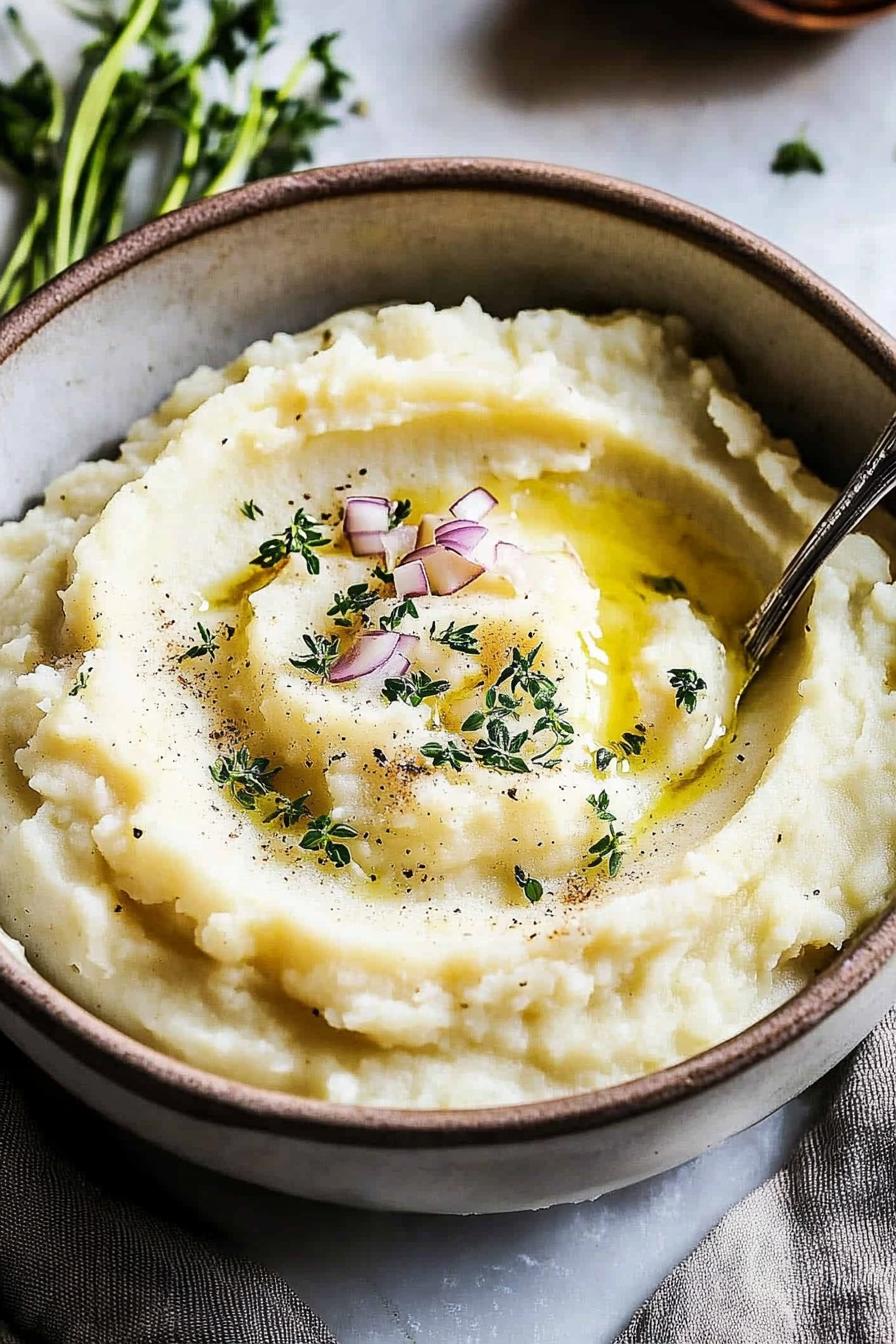
Key Ingredients & Their Roles
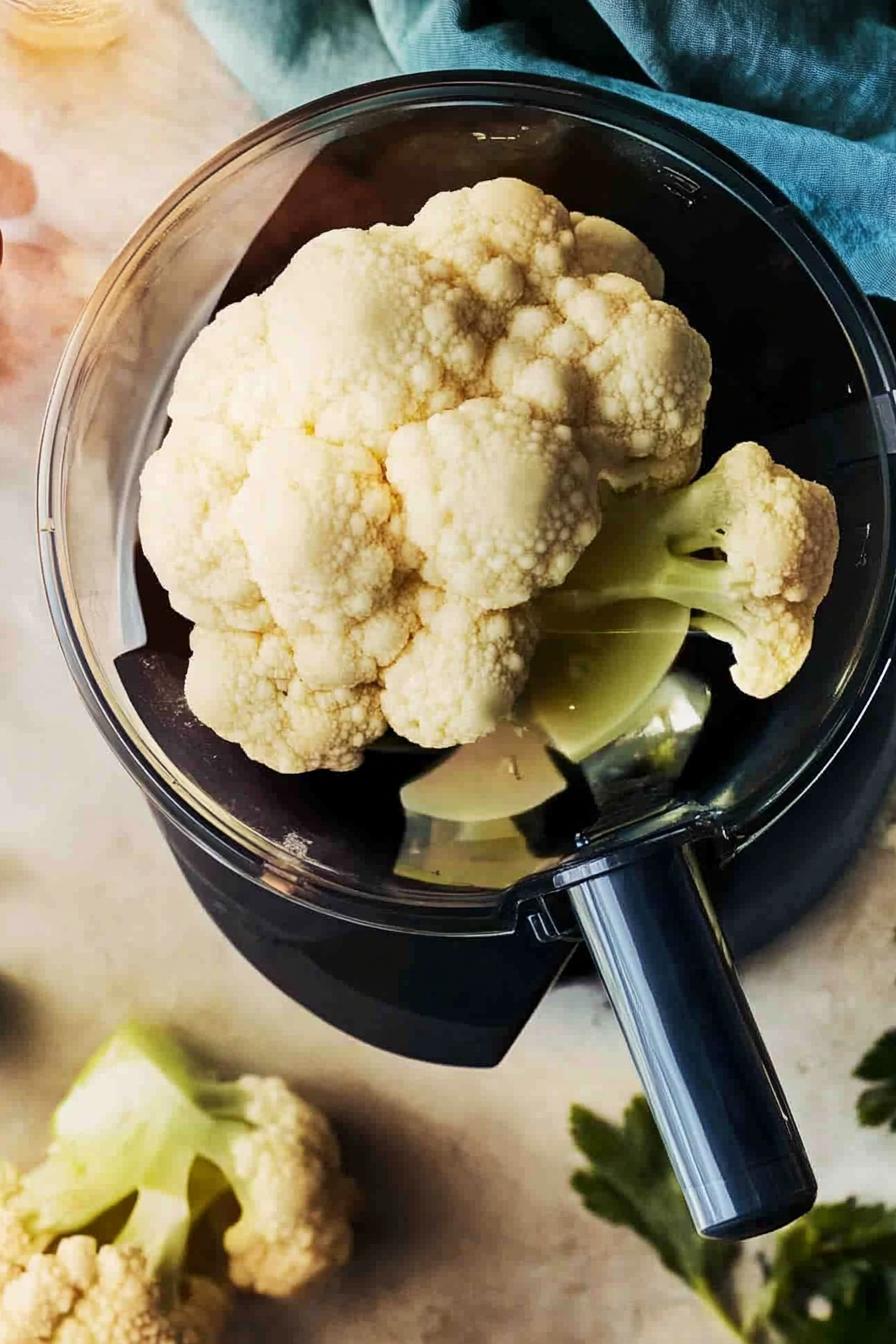
- 1 large head cauliflower (about 2 pounds): the creamy base—trim leaves and cut into even florets for uniform cooking
- 2 tablespoons olive oil: carries garlic flavor—use extra-virgin for a brighter note
- 3 garlic cloves, minced: adds aromatic warmth—reduce to 2 if you prefer a milder hint
- 3 tablespoons butter: enriches texture—cold butter yields a silkier emulsion
- 1/4 cup grated Parmesan cheese: boosts umami—freshly grate for the best melt
- Kosher salt & freshly ground black pepper: essential seasoning—adjust to taste
How to Make Cauliflower Mashed Potatoes
- Bring a large pot of salted water to a boil. Add the cauliflower florets and cook until very tender, 8–10 minutes.
- Meanwhile, heat the oil in a small skillet over medium heat. Add the garlic and cook, stirring, until fragrant, about 1 minute.
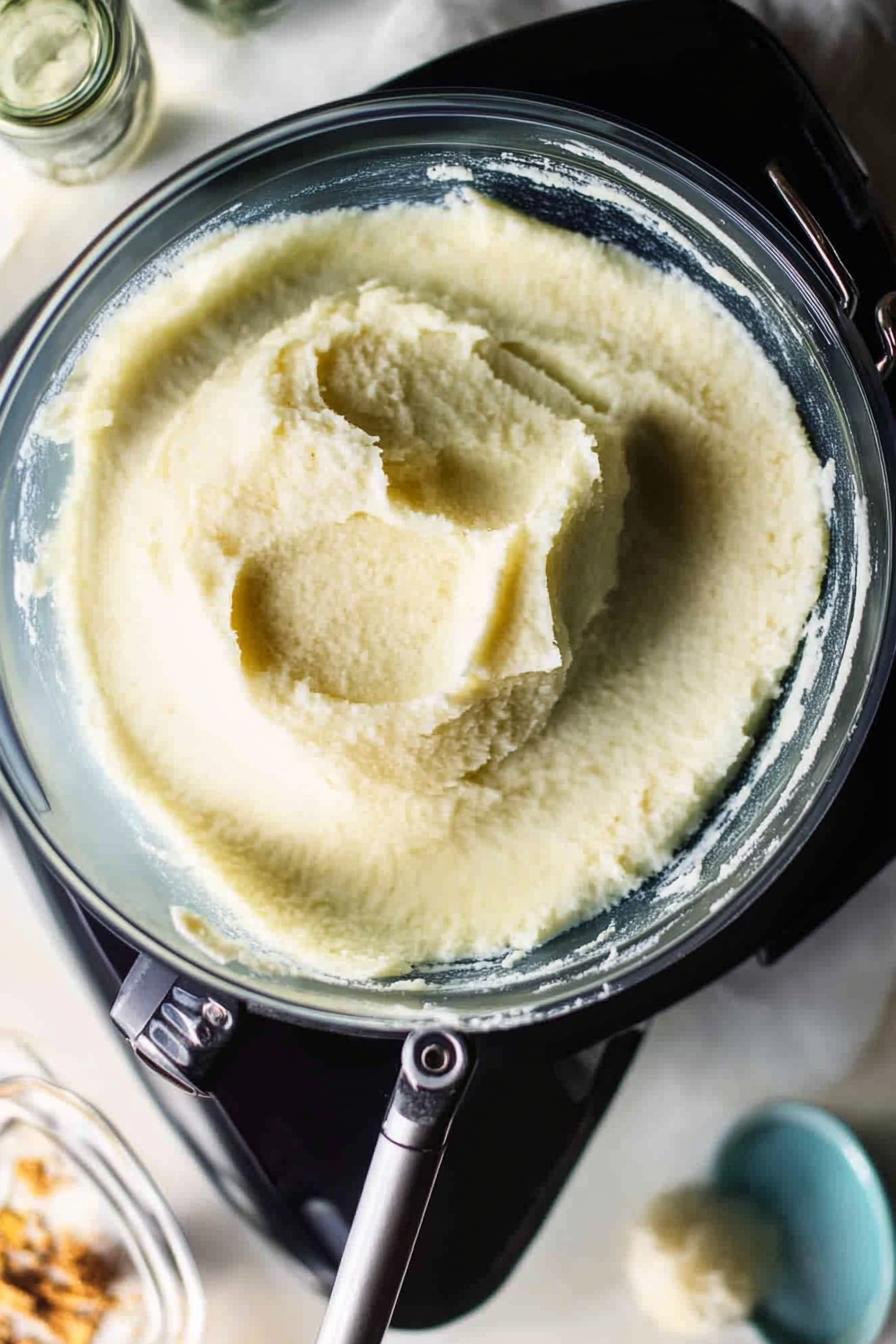
- Drain the cauliflower well and return it to the pot. Add the garlic, butter, and Parmesan. Mash until smooth.
- Season with salt and pepper. Garnish with chives and serve warm.
Pro Tips & Troubleshooting
- After draining, return cauliflower to the hot pot for 1–2 minutes to evaporate extra moisture—I found this step prevents a watery mash.
- Avoid overcooking: too-soft florets can turn gluey. Pull them at the 8-minute mark for the best texture.
- Stir in fresh herbs (thyme or chives) at the end for a seasonal twist.
- To halve or double, maintain the ratio of butter and cheese—this scales easily without changing flavor.
Storage & Make-Ahead Guide
Store cooled Cauliflower Mashed Potatoes in an airtight container in the fridge for up to 4 days. For longer storage, freeze in a freezer-safe bag for up to 2 months. Reheat gently in a microwave or on the stovetop, stirring occasionally. In my third test, I noted that reheating in a skillet over low heat preserved the best texture without separation.
Serving Suggestions
Serve alongside roasted meats or grilled fish. For an all-veg meal, pair with Roasted Broccoli and Carrots or complement with Instant Pot BBQ Chicken for a sweet-smoky contrast.
Frequently Asked Questions
- What is the best way to cook cauliflower for mash? Boil florets in salted water until tender (8–10 minutes), then drain thoroughly and let steam-dry in the pot for a smoother mash.
- Can I make cauliflower mashed potatoes ahead of time? Yes—store in the fridge for up to 4 days or freeze for 2 months. Reheat gently to restore creaminess.
- How do I keep my mash from becoming watery? After draining, return the cauliflower to the hot pot for a minute to evaporate excess water before mashing.
- Can I use frozen cauliflower instead of fresh? Thaw and drain very well before cooking; you may need to press out extra moisture to avoid a runny texture.
- What can I add to enhance flavor? Stir in herbs like chives or parsley, swap Parmesan for nutritional yeast, or fold in roasted garlic for deeper aroma.
- Is this recipe low carb? Yes—using cauliflower instead of potatoes significantly reduces the carb count while retaining that creamy comfort.
Final Thoughts
Cauliflower Mashed Potatoes have become my weeknight staple when I want creamy comfort without the heaviness of potatoes. Give this recipe a try, tweak it to your taste, and let me know how you serve it—your feedback helps me keep testing and sharing the best variations!
More Recipes You’ll Love
- Mashed Sweet Potatoes with Miso Butter – same creamy mashed side with an umami twist
- Roasted Garlic Butter Parmesan Potatoes – garlic and Parmesan flavors that complement cauliflower mash
- Simple Potato Soup – hearty soup pairing for a cozy meal
- Roasted Potatoes with Baked Feta and Garlic – rustic roasted potatoes as a flavorful side

Cauliflower Mashed Potatoes
Ingredients
Ingredients
- 1 head cauliflower trimmed and cut into florets
- 3 cloves garlic minced
- 2 tablespoons olive oil
- 3 tablespoons butter
- 0.25 cup grated Parmesan cheese
- Kosher salt to taste
- Freshly ground black pepper to taste
Instructions
Instructions
- Bring a large pot of salted water to a boil. Add the cauliflower florets and cook until very tender, 8–10 minutes.
- Meanwhile, heat the oil in a small skillet over medium heat. Add the garlic and cook, stirring, until fragrant, about 1 minute.
- Drain the cauliflower well and return it to the pot. Add the garlic, butter, and Parmesan. Mash until smooth.
- Season with salt and pepper. Garnish with chives and serve warm.